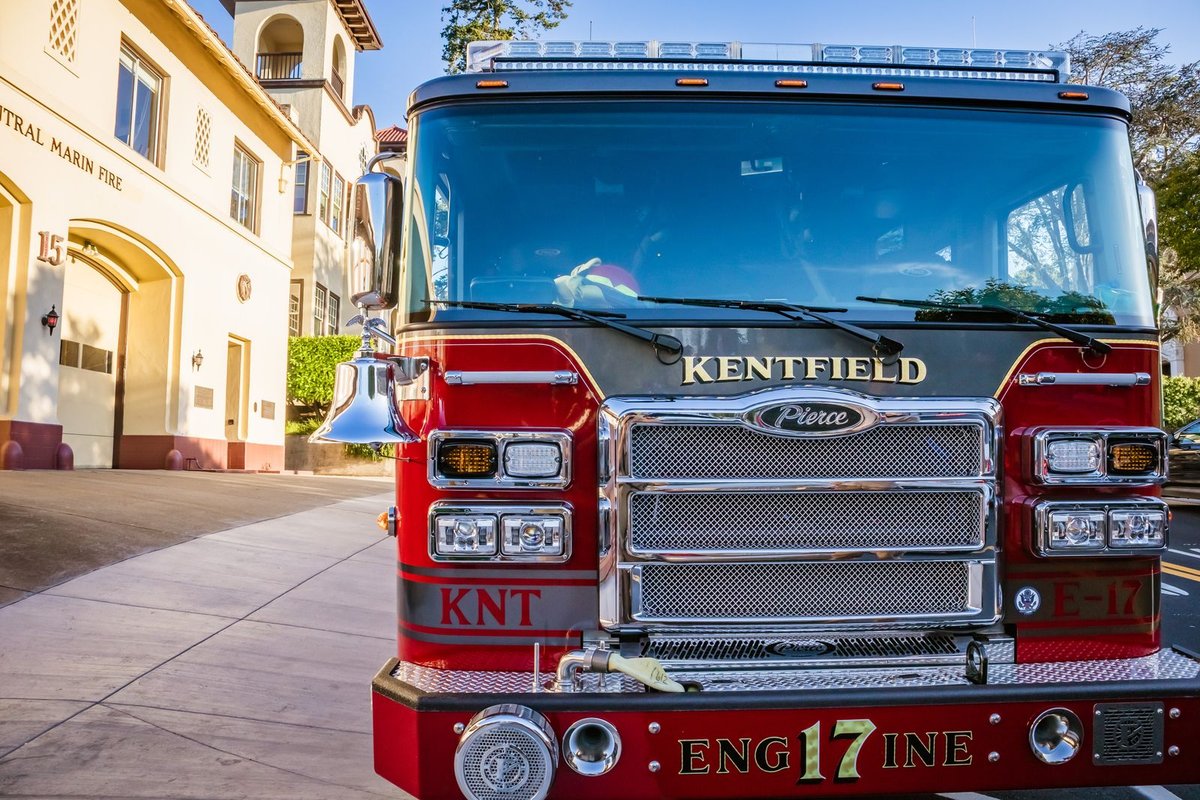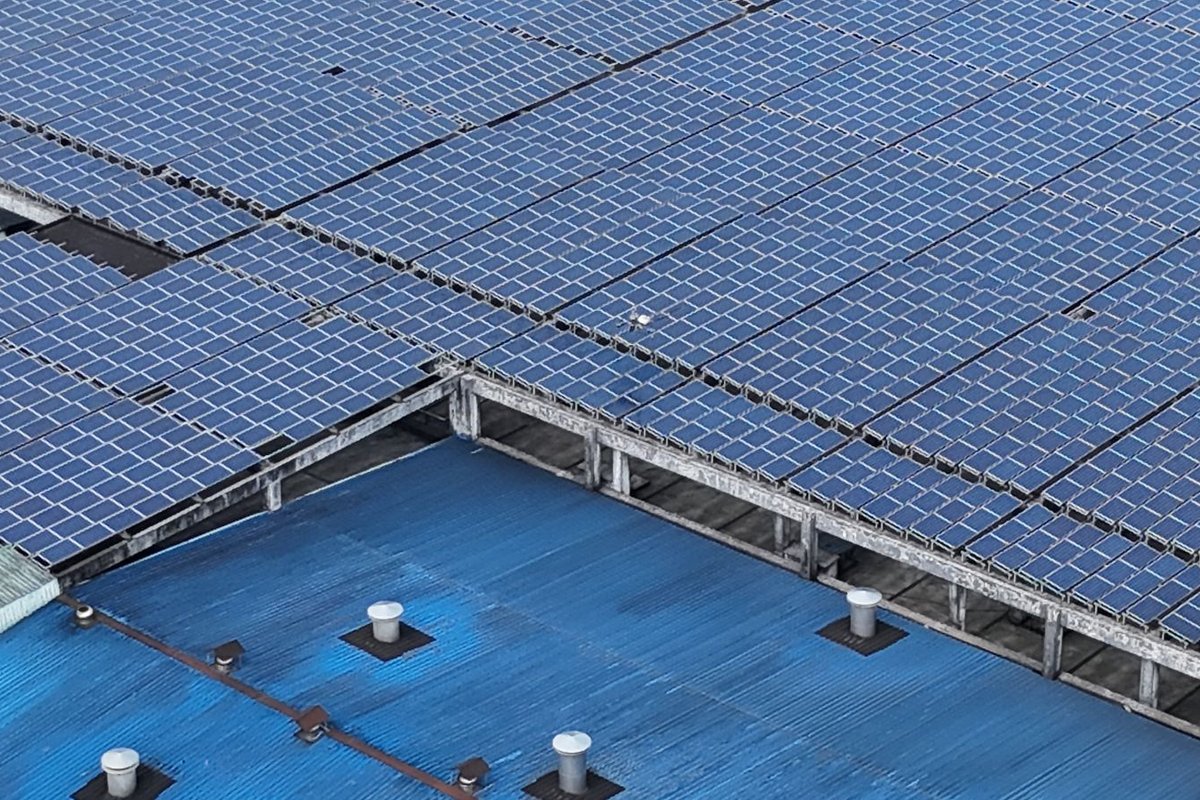
In early 2026, a Southern California unified school district with 12,000 students received an EPA Clean School Bus grant award covering $1.5 million of a planned 6-bus electric fleet conversion. The total project cost, including charging infrastructure and electrical upgrades, was $2.7 million. The gap: $1.2 million. The district had no general fund capacity to cover it, and the manufacturer required a 25% deposit to hold build slots.
This is how the district closed the gap with tax-exempt lease-purchase financing.
The District
The district serves a mixed suburban and rural community in Los Angeles County. Its transportation department operates 47 diesel buses, 8 of which are more than 20 years old and face rising maintenance costs. The board had committed to a zero-emission conversion timeline but had not identified a funding source for the non-grant portion of the project.
The Challenge
Three problems converged at once:
- The EPA grant covered only the bus cost, not charging infrastructure ($380,000) or electrical yard upgrades ($220,000).
- The bus manufacturer required a $520,000 deposit within 30 days of purchase order to reserve build slots for the 2027 model year.
- EPA reimbursement would only arrive after delivery and inspection, 14 to 16 months after the deposit was due.
The district's business officer had explored a general fund transfer, but the board was unwilling to divert money from instructional priorities. A bond was off the table: the district had gone to voters in 2024 and lost by a narrow margin, making another bond campaign politically unpalatable for several years.
The Solution
The district engaged District Bridge Capital to structure a tax-exempt lease-purchase financing that would:
- Cover the full $1.2 million gap, including buses, chargers, and electrical work
- Pay the manufacturer deposit directly so the district did not float the cash
- Defer lease payments until 90 days after EPA reimbursement, giving the district time to receive and deploy the grant funds
- Structure payments over 7 years, aligned with the useful life of the buses and the district's budget cycle
The Structure
The financing was structured as a 7-year tax-exempt lease-purchase with a fixed rate of 4.65%. Annual payments were approximately $192,000, beginning 18 months after the board approved the lease. Because the district's general fund was not tapped for the deposit, the project moved forward immediately.
Key terms:
- Lease term: 7 years, matching the bus depreciation schedule
- Rate: 4.65% fixed, tax-exempt
- Payments: Annual, due each July (aligned with district budget cycle)
- Deferral: First payment due 18 months after closing, after EPA reimbursement
- Appropriation: Annual, California-compliant language throughout
- Insurance: District maintained all-risk coverage, with loss payee to funder
The Outcome
The board approved the lease at a regular meeting in March 2026. The purchase order was submitted to the EPA portal before the 90-day deadline. The manufacturer received the deposit and allocated build slots. Delivery is scheduled for August 2027.
The district's business officer reported two unexpected benefits:
- Budget predictability: The fixed annual payment is now baked into the 5-year budget projection, making future planning easier.
- Board confidence: Because the financing preserved general fund capacity and required no voter approval, the board has since approved two additional lease-purchase projects for HVAC replacement.
Key takeaway: The district did not need cash reserves or voter approval to convert its bus fleet. It needed a financing structure designed around grant timing and public budget cycles. Tax-exempt lease-purchase provided that structure at a rate comparable to taxable equipment financing, but with the added benefit of payment deferral and annual appropriation compliance.
Could This Work for Your District?
If your district has an EPA or HVIP award and a financing gap, the structure is proven. The capital is available. The documentation is standardized. The only variable is how quickly you move before the vendor's build slots fill.