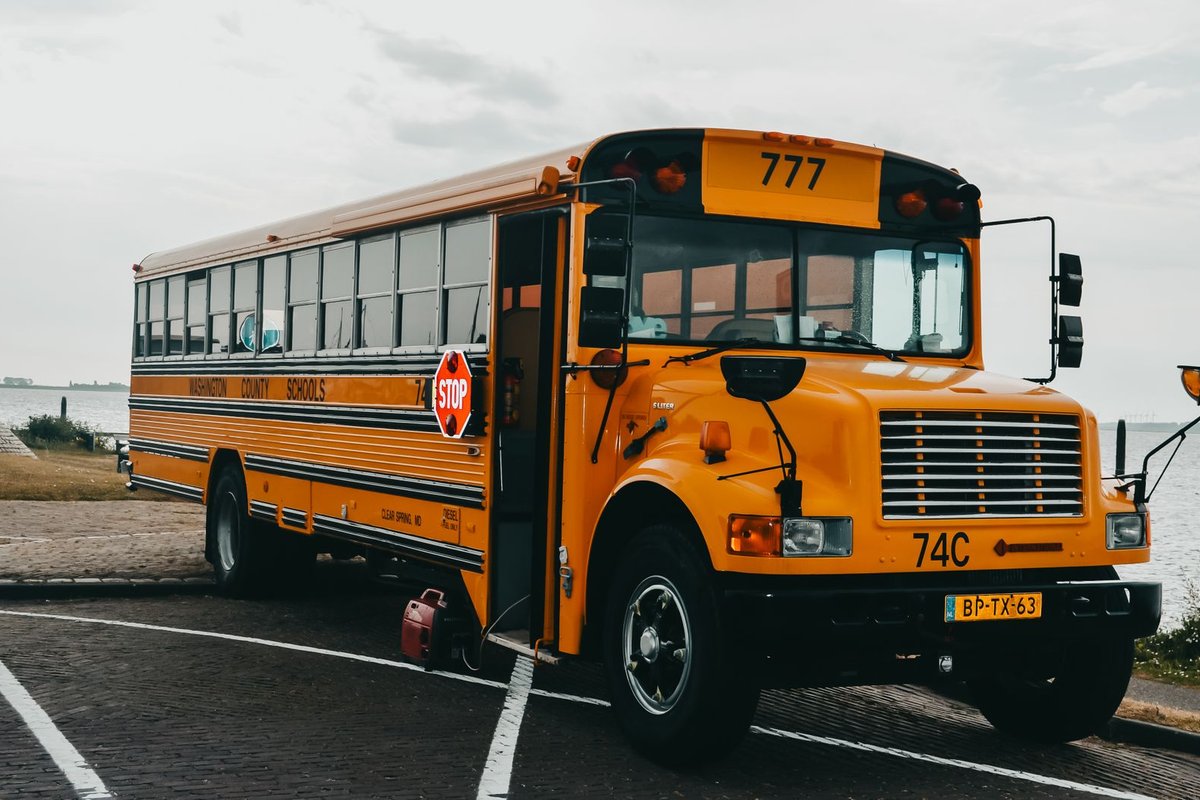
A custom-built fire pumper for a California city can cost $750,000 to $1.2 million and take 24 to 36 months to deliver. A ladder truck or platform can run $1.5 million to $2.5 million with similar lead times. For cities that need to replace aging apparatus without a massive cash reserve or voter-approved bond, the question is not whether to finance, but how.
This post compares the two most common structures for fire apparatus acquisition: general obligation bonds and tax-exempt lease-purchase financing.
The Case for Lease-Purchase Financing
Fire apparatus is uniquely well suited to lease-purchase for three reasons.
First, the timing. Bonds take months to structure, underwrite, and sell. A lease-purchase can be approved at a regular city council meeting and close in 2 to 4 weeks. When a manufacturer has an open build slot that expires in 30 days, that speed matters.
Second, the size. A single pumper or ambulance purchase is often too small to justify the issuance cost of a bond. Bond counsel, underwriter fees, rating agency costs, and disclosure preparation can run $100,000 or more. For a $1 million apparatus purchase, those costs are 10% of the deal. Lease-purchase origination fees are typically 1% to 2%, with no bond counsel required.
Third, the appropriation flexibility. California cities operate under constitutional debt limits and voter approval requirements for general obligation debt. A lease-purchase structured with annual appropriation language complies with those limits while still giving the city the equipment it needs to maintain ISO ratings and response times.
Head-to-Head Comparison
| Factor | General Obligation Bond | Tax-Exempt Lease-Purchase |
|---|---|---|
| Voter approval required | Yes (two-thirds) | No |
| Time to close | 3 to 6 months | 2 to 4 weeks |
| Issuance cost | $75,000 to $150,000+ | 1% to 2% of amount |
| Minimum efficient size | $5 million+ | $250,000+ |
| Debt statement impact | Long-term liability | Annual appropriation |
| Interest rate (2026) | 3.0% to 4.5% | 3.5% to 5.5% |
| Term flexibility | 10 to 20 years | 3 to 12 years |
When a Bond Still Makes Sense
Bonds are the right tool for large-scale apparatus replacement programs (five or more apparatus) or when a city is bundling fire department capital with other infrastructure. If the total project is $10 million or more, the economies of scale on bond issuance start to work in the city's favor, and the lower interest rate outweighs the higher upfront cost.
Bonds also make sense when a city has strong credit, high voter support, and the time to plan a ballot measure. For cities with upcoming elections and a coordinated capital campaign, a bond is often the cheapest capital available.
When Lease-Purchase Is the Better Fit
Lease-purchase wins when the need is immediate, the amount is under $5 million, and the city council wants to act without waiting for an election cycle. It is also the better fit when a city is preserving debt capacity for a future bond (say, a new fire station) and does not want to consume that capacity on apparatus.
Many California cities use a hybrid approach: bonds for stations and facilities, lease-purchase for apparatus and equipment. This keeps the capital plan flexible and responsive.
California-Specific Considerations
Fire apparatus leases in California must include annual appropriation language and comply with Proposition 13 limits on indebtedness. The lease must also account for any prevailing wage requirements if the manufacturer is assembling or installing equipment on public property.
Additionally, many California fire departments receive apparatus through cooperative purchasing agreements (e.g., HGACBuy or Sourcewell). If your city used a cooperative contract, make sure the financing structure aligns with the contract's payment terms and assignment provisions.
What to Do Next
If your city has an apparatus need in the next 12 to 36 months, the time to model the financing is now. Manufacturer build slots are allocated on a first-come basis, and the cities that have financing pre-arranged move to the front of the line.