If you are a California school district business officer, you have probably heard the term tax-exempt lease-purchase financing (TELP) tossed around at CASBO conferences or in vendor proposals. But what does it actually mean, when does it make sense, and how is it different from a bond or a conventional bank loan?
This guide explains TELP in plain English, with specific examples for California public agencies.
The Basics: What Is TELP?
A tax-exempt lease-purchase agreement is a financing structure that lets a public agency acquire equipment or real property without paying cash upfront. The agency makes periodic payments over time, and at the end of the term, the agency owns the asset outright for a nominal price (often one dollar).
From the district's perspective, it looks and feels like a lease. From the funder's perspective, it is a secured financing backed by the agency's ability to appropriate money each year. The tax-exempt part means the interest income is exempt from federal income tax, which lowers the rate the funder needs and therefore the payment the district makes.
How Is It Different from a Bond?
General obligation bonds require voter approval and create long-term debt on the balance sheet. Lease-purchase financing does not require voter approval and, under GASB 87 and related guidance, is treated as a financed purchase rather than debt in many cases. The key distinctions:
- No voter approval: The board can approve a lease-purchase with a simple majority vote at a regular meeting.
- Faster closing: Bonds take months to structure and sell. A lease-purchase can close in 2 to 4 weeks.
- Lower issuance cost: No underwriter, no rating agency, no bond counsel (though you still need counsel to review documents).
- Smaller deal sizes: Bonds are inefficient under $5 million. Lease-purchase works well from $250,000 up.
How Is It Different from a Bank Loan?
A bank loan is typically full faith and credit, meaning the lender can pursue the agency's general fund if payments are missed. A tax-exempt lease-purchase is usually structured as an annual appropriation obligation, which means the agency promises to budget for the payment each year but is not legally bound beyond the current fiscal year.
This sounds like a weakness, but it is actually why the structure works: it complies with California constitutional debt limits while still giving the funder enough security to lend at attractive rates. Funders price the appropriation risk into the rate, and for well-rated California districts, that premium is modest.
What Assets Can Be Financed?
Almost any capital asset that serves a public purpose:
- Electric and diesel school bus fleets
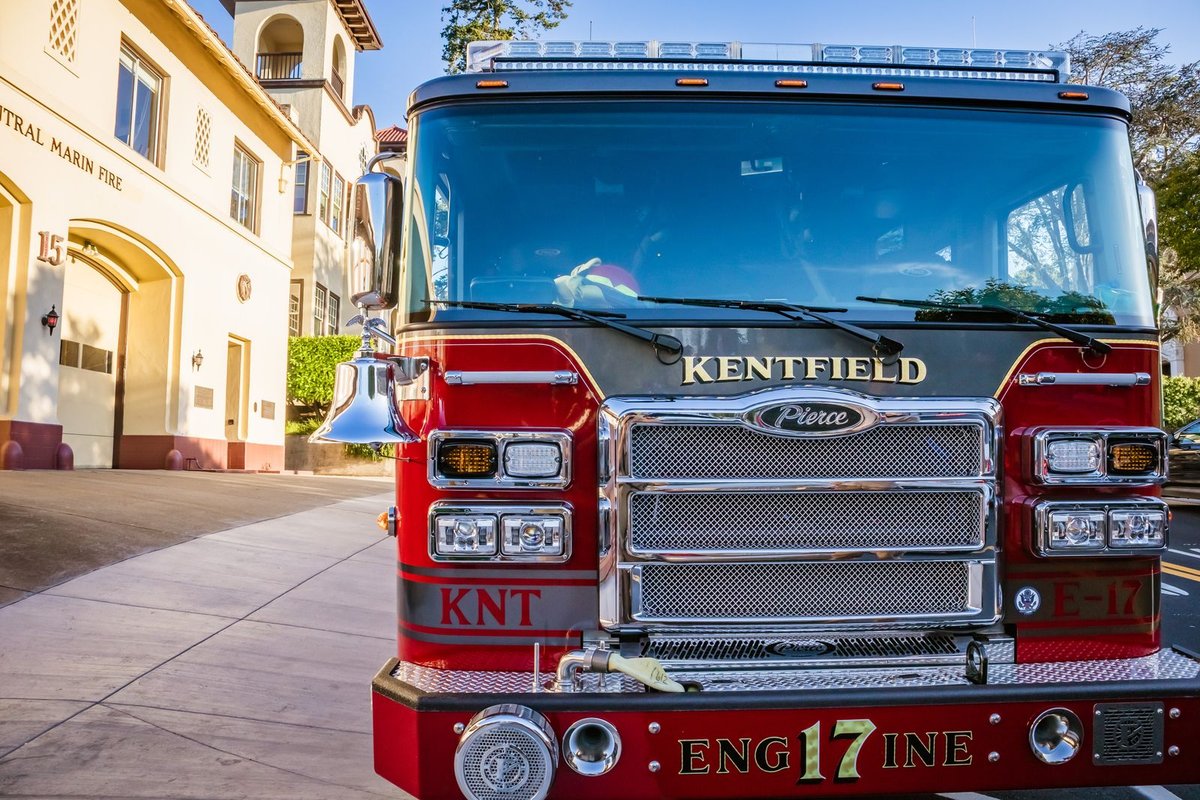
- Fire apparatus, ambulances, and emergency vehicles
- HVAC systems, boilers, chillers, and energy retrofits
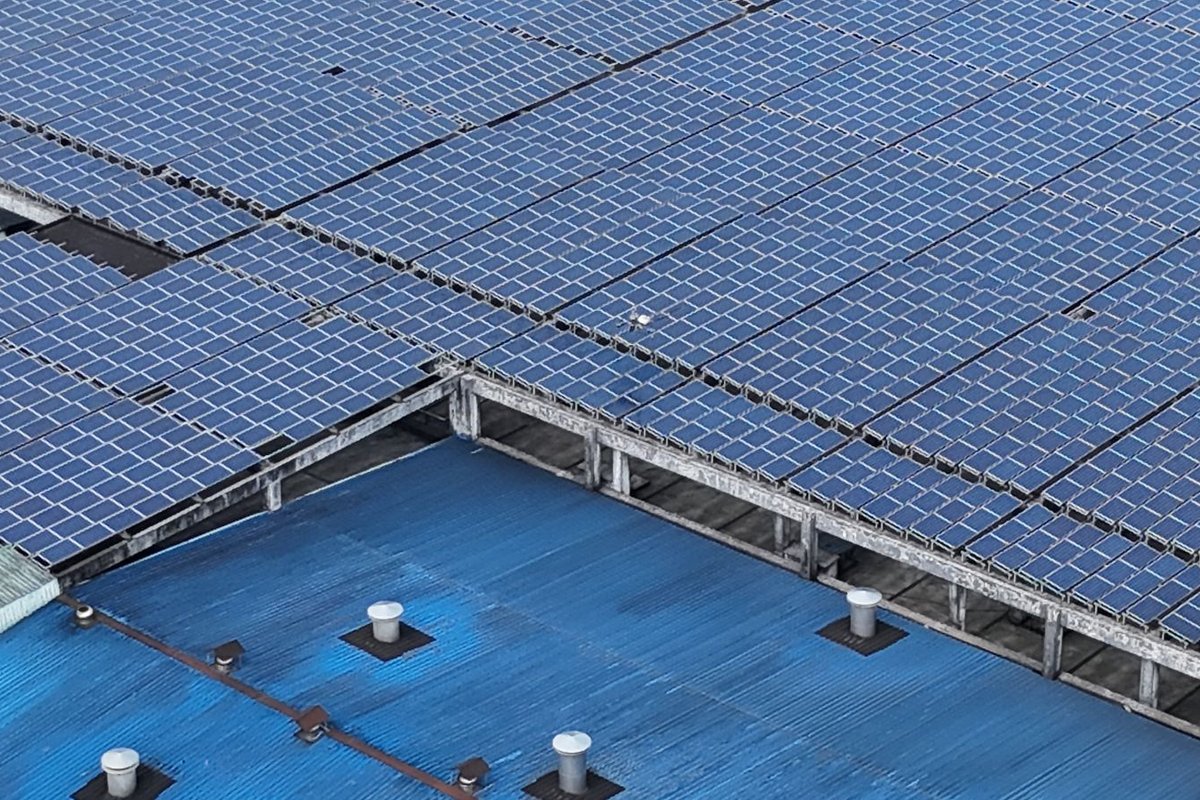
- Solar panels and battery storage
- IT infrastructure, 1:1 devices, and data centers
- Modular classrooms and portable buildings
The asset must be privately used no more than allowed under IRS rules (generally under 10% private use for a governmental lease) to preserve tax-exempt status.
The California Angle: Appropriations Law
California has specific requirements for municipal leases. Under the California Constitution and Government Code, a lease obligation must include language making it subject to annual appropriation. The document must also comply with Proposition 13 and Proposition 39 requirements depending on the asset type.
Experienced California municipal lease funders know these requirements and use California-specific documentation. If you are working with an out-of-state funder, make sure their counsel is familiar with California law or you risk a document that your county counsel will not approve.
When Should a District Use TELP?
- The district has an approved capital need but the general fund cannot absorb a cash purchase.
- A grant covers part of the cost but leaves a gap that must be bridged.
- The vendor requires a deposit or progress payments before grant reimbursement arrives.
- The board wants to preserve debt capacity for larger future projects.
- The asset has a useful life that matches a 5- to 10-year financing term.
What Does It Cost?
Pricing depends on the district's credit profile, the term, and the asset type. As a rough guide in 2026, California school district lease-purchase rates typically range from 3.5% to 5.5% fixed for a 5- to 7-year term, fully amortizing. There is usually an origination fee of 1% to 2% paid to the broker or bank arranging the deal.
The critical comparison is not rate versus rate. It is: can the district get the equipment now and start serving students, or does the project stall until the budget can absorb it?